
An everyday, yet legally underestimated topic
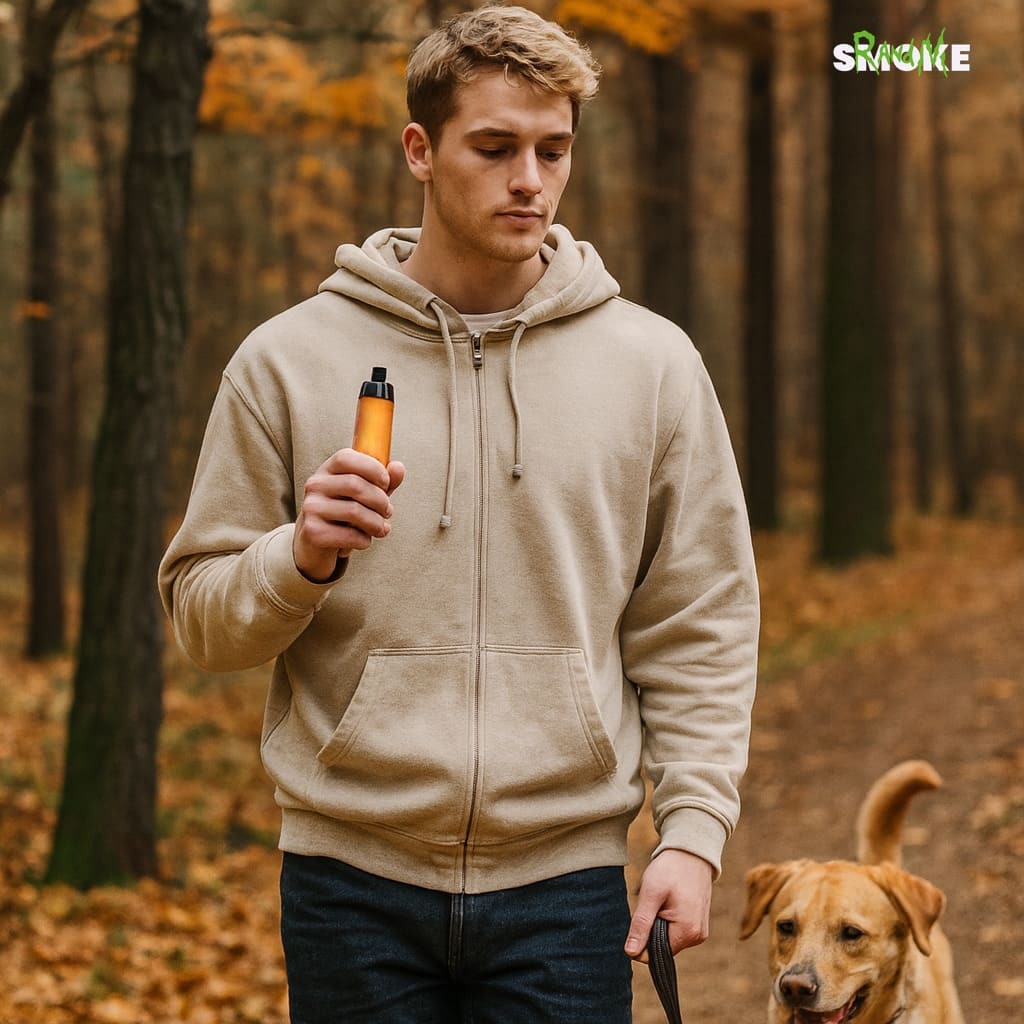
Whether in the office, warehouse, or field service, the RandM Vape has become a constant companion for many adult consumers. It replaces the classic cigarette, causes little disturbance, smells pleasant, and leaves no ash. Nevertheless, the same question increasingly arises in companies: Is vaping actually allowed at the workplace?
The issue is more complex than many think. While smoking in enclosed workplaces has been clearly regulated for years, e-cigarettes and vapes are in a legal grey area. For employers and employees, there is no explicit law prohibiting vaping in the workplace, but also none that permits it. Accordingly, it depends on house rules, consideration, and communication.
This article provides practical insights into what German labor law says about the use of Tornado Vapes and similar devices, how companies can set rules, what differences exist between industries, and how vapers themselves can contribute to social acceptance.
Legal situation: No explicit vape law, but clear rules by employers
In Germany, vaping is not legally covered by classic non-smoking protection. The Workplace Ordinance (§ 5 ArbStättV) prescribes a smoking ban in indoor areas, but explicitly refers to the combustion of tobacco products. Since vapes do not burn tobacco but vaporize liquids, this regulation only applies indirectly.
This means: Vaping is not automatically prohibited, but it is subject to the employer's discretion. Through house rules, each company can determine whether and where e-cigarettes are allowed. This permission or restriction applies regardless of whether someone uses a RandM Tornado 7000, a RandM Tornado 15000, or another model.
Practice shows that many companies now treat vaping similarly to smoking. Not because of harmful substances, but out of consideration for colleagues, odor neutrality, and professionalism in customer contact.
Why vaping is treated differently from smoking under labor law
Smoking produces tobacco smoke with over 7,000 combustion products, many of which are carcinogenic. Vaping, on the other hand, produces an aerosol of propylene glycol, vegetable glycerin, flavorings, and optionally nicotine – without combustion. Therefore, e-cigarettes are not covered by the Tobacco Act.
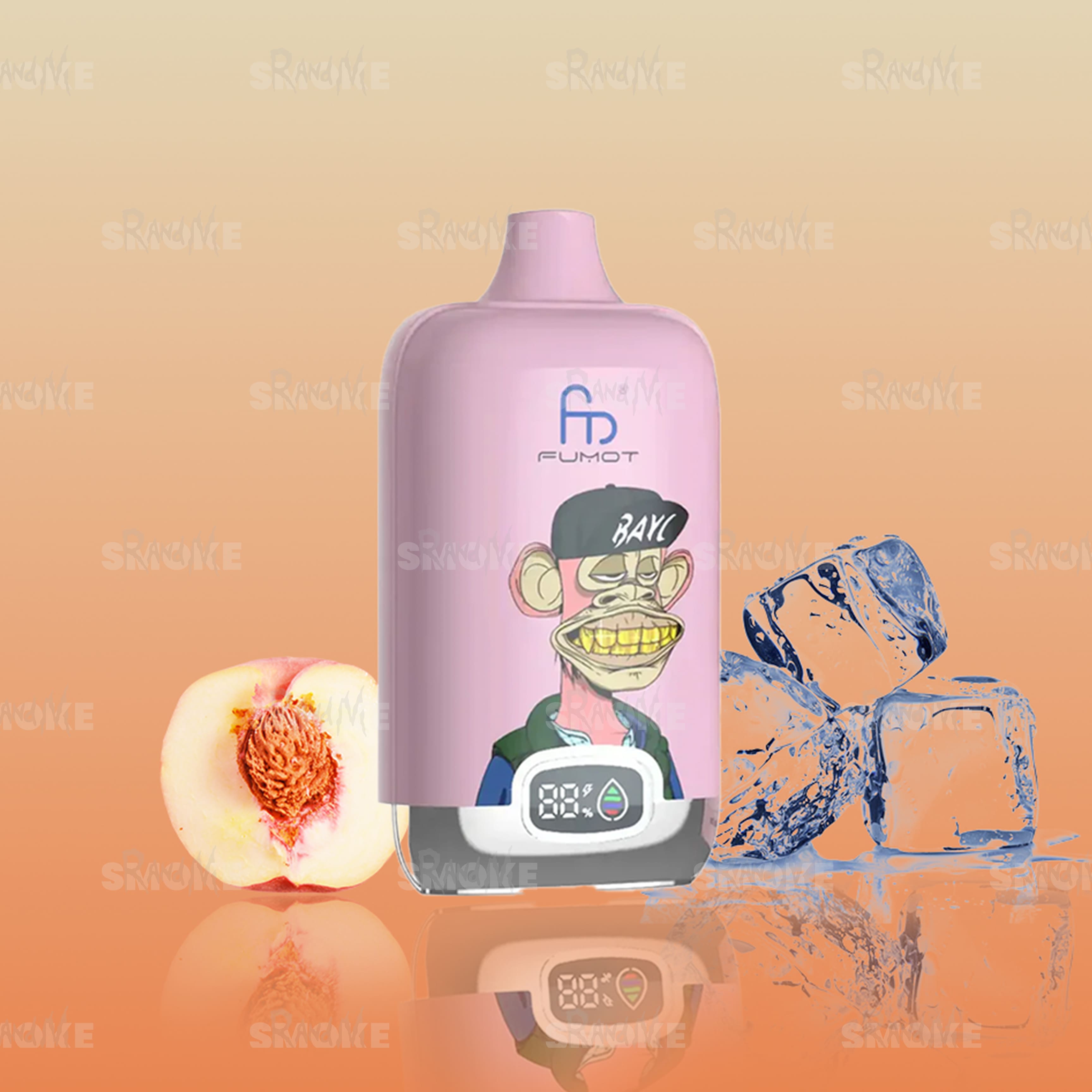
Legally, vaping is a distinct product category. Nevertheless, employers can prohibit vaping because they are responsible for the health protection and well-being of their employees. For example, in an open-plan office with 20 people, even a subtle scent like RandM Tornado 35000 – Peachy Mango Pineapple could be disruptive, even if no harmful substances are produced.
The decisive basis is the house rules. Employers may set rules for behavior in rooms, vehicles, or outdoor areas. Violations can have consequences under labor law – from warnings to reprimands.
Employer rights and works agreements: Who decides?
The employer's right to direct also includes the handling of stimulants. They can decide whether vaping is allowed in break rooms, in the warehouse, or in company vehicles. Many companies regulate this in works agreements or internal guidelines.
In modern companies, vaping is often allowed in defined break areas, similar to smoking areas. There, the vapor disturbs neither colleagues nor technical equipment. Employers who communicate proactively thus prevent conflicts between smokers, vapers, and non-smokers.
Clear communication is important: those who openly explain why certain rules apply create understanding. Thus, vaping can also be perceived in the work context as what it is – a significantly less harmful alternative to smoking, but one that still requires consideration.
Industry differences: Office, production, and field service
Legal freedom ends where safety regulations begin. In workshops, laboratories, or production halls, e-cigarettes can pose a risk if flammable materials or sensitive sensors are in use. In such cases, there is almost always a general vape ban.
In office environments, employers decide individually. Some permit vaping in break rooms or outdoor areas, while others prohibit it entirely to ensure a consistent external image. Especially in customer contact, a professional impression plays a major role.
In field service or in vehicles, the regulation depends on the individual case. In company cars, smoking and vaping are usually prohibited to avoid odors and residues. Those who work outdoors, such as on construction sites or in the logistics sector, often have more leeway – as long as safety regulations are observed.
Many users of RandM Tornado Vapes appreciate the discreet, clean application. Models like the RandM Tornado 12000 – Blueberry Raspberry or the RandM Tornado 20000 – Cherry Berry are compact, produce little odor, and are therefore also suitable for discreet vaping in break areas.
Social Acceptance: Consideration, Communication, and Respect
Vaping is a relatively new phenomenon. Many who have never seen a RandM Vape automatically associate it with the idea of classic cigarettes. This is precisely where conflict potential arises: not through harmful substances, but through misunderstandings.
In offices, warehouses, or in field service, the same principle applies as everywhere in social interaction: Consideration creates acceptance. Those who ask before vaping show respect for colleagues. Those who step outside briefly or use break times avoid discussions.
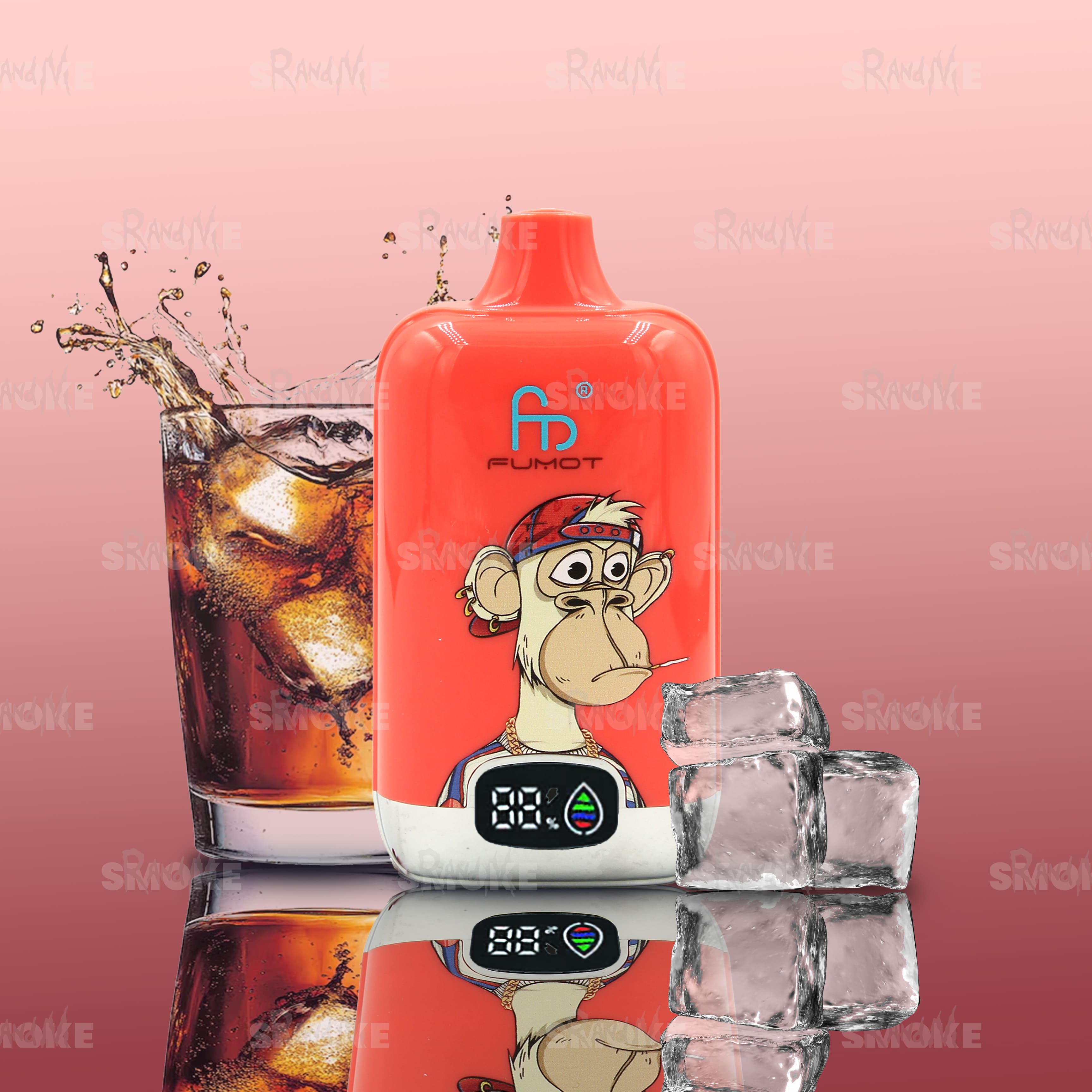
Another factor is the choice of flavor. Varieties such as RandM Tornado 10000 – Cherry Fiesta or RandM Tornado 30000 – Love 66 are pleasantly subtle and leave no intrusive odor. Strongly sweet or creamy varieties like Juicy Peach Ice are better suited for private environments.
Companies that promote consideration benefit twice: the working atmosphere remains relaxed, and employees who have replaced smoking with vaping feel supported instead of stigmatized.
Myths vs. Reality: "Vaping isn't smoking" - is that true?
Physically, the statement is true. Vaping does not produce smoke, but an aerosol of propylene glycol, glycerin, flavor, and possibly nicotine. No combustion takes place, which means hardly any toxic combustion products are produced. Nevertheless, the behavior is socially similarly visible: hand movement, exhalation, vapor.
Many people find vapor clouds – even from devices like the RandM Tornado 30000 – Black Ice – disruptive if they are not asked. Therefore, "no smoke" is not a free pass. Professional conduct is crucial for the image of the entire community.
From a technical perspective, vaping is referred to as harm reduction. Studies show that vaping causes significantly less exposure to harmful substances compared to smoking. However, long-term effects are still subject to ongoing research. Serious communication therefore means understanding vaping as a better, but not perfect alternative.
International Comparisons: What Other Countries Do
In Great Britain, vaping in the workplace is treated pragmatically. Many employers permit it in break rooms or separate zones. The British health authority Public Health England has classified vaping as "at least 95% less harmful than smoking" for years.
Australia takes the opposite approach: nicotine-containing vapes require a prescription there. This shifts consumption to private spaces, while a de facto ban applies in the workplace.
In New Zealand, on the other hand, vaping is explicitly recognized as a smoking cessation method. Companies define clear rules but rarely impose blanket bans.
Germany is in between: no prohibition, no permission, but personal responsibility and house rules. This creates space for adult, responsible users – an environment that brands like RandM Smoke actively support.
Etiquette: How to behave correctly when vaping at work
- Ask beforehand: Get the consent of your surroundings before you vape.
- Choose low-odor varieties: Fruity-fresh variants like Cactus Lemon Green Tea or Peach Berry are more neutral.
- Use breaks: Vaping, just like coffee, belongs in the break, not in the meeting.
- Keep device well-maintained: Clean mouthpieces and hygienic storage demonstrate professionalism.
- Maintain discretion: No puff in the stairwell, no drawing at the desk.
These small rules of conduct improve the image of the entire vaping community and show that modern brands like RandM Vape Germany stand for conscious, respectful consumption.
Health classification: What is scientifically proven
Regardless of the workplace issue, the medical perspective remains relevant. Studies prove that switching from tobacco to vaping leads to a significant reduction in toxic substances. Biomarkers such as carbon monoxide and nitrosamines usually decrease within a few days.
This means that employees who fully switch to vapes significantly reduce their intake of harmful substances. Product quality is important – devices such as the RandM Tornado 12000 or RandM Tornado 25000 – Miami Mint come from controlled productions and offer consistent nicotine delivery.
Communication in the company: How to avoid misunderstandings
In companies where the topic is new, a brief dialogue helps more than any rule. A factual note that vaping does not produce combustion and is significantly less odorous creates understanding. Even better: The company involves all parties and defines a common solution – for example, a break zone for vapers.
Many employers appreciate employees who take responsibility. Anyone who openly explains that they have quit smoking with RandM Tornado Vapes will rarely encounter rejection. Transparency replaces prejudice.
Vaping at work – permitted, if permitted
Legally, vaping remains a grey area; practically, the employer decides. Those who act politely, cleanly, and considerately avoid conflicts and strengthen the image of the vaping community. Brands like RandM Smoke stand for quality, safety, and responsible enjoyment – values that also count in everyday work.
Whether RandM Tornado 7000 – Blue Sour Raspberry, RandM Tornado 20000 – Huckleberry, or RandM Tornado 40000 – Strawberry Watermelon – what matters is not the number of puffs, but awareness when using. Vaping at work can work if respect, communication, and clear rules form the basis.
FAQ on vaping in the workplace
1. Is vaping legally prohibited in offices?
No. There is no law that explicitly prohibits e-cigarettes in the workplace. However, the employer can prohibit vaping through house rules.
2. Am I allowed to vape during my break?
Yes, unless the employer specifies otherwise. Many companies allow vaping outdoors or in designated break areas.
3. Do the same rules apply to vapes as to smoking?
Often yes, organizationally. Legally, however, e-cigarettes are not a tobacco product. They are therefore subject to their own regulations.
4. Why are some colleagues bothered by the vapor?
Because of odor or misunderstandings. Consideration and open communication help to avoid tensions.
5. What happens if I violate a vaping ban?
The employer may take measures, such as warnings. House rules are binding.
Whether in the office, in the warehouse or in the field: those who show consideration and adhere to clear rules demonstrate style and awareness. This is precisely what RandM Smoke stands for - for vapes that connect rather than divide.