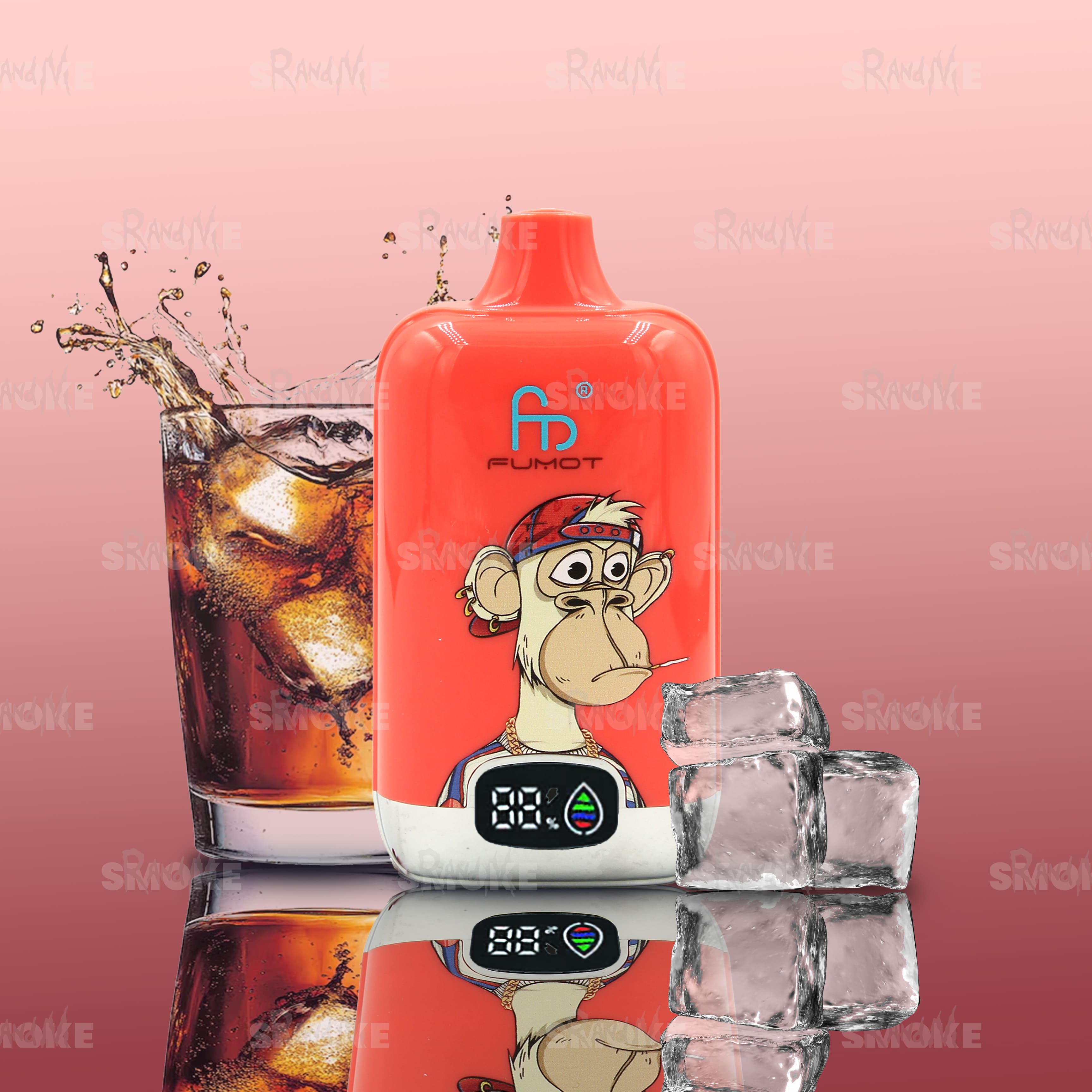

The discussion around nicotine-containing vapes is often emotional, while many everyday decisions require a sober, evidence-based foundation. For a reliable perspective, randomized controlled trials (RCTs) and systematic reviews are crucial. The evidence overview curated by Dr. Colin Mendelsohn precisely bundles such sources and categorizes them from the perspective of tobacco harm reduction. Below, we professionally summarize the most important findings, refer to key publications, and translate the evidence so that it can be objectively presented in a German-speaking context (including RandM Vape Germany, Tornado Vape).
VNPs vs. Nicotine Replacement Therapy
A recent RCT, published in the Annals of Internal Medicine (2025), investigated over 1,000 adult, socially disadvantaged smokers. Result: Vaporized Nicotine Products (VNPs) led to significantly higher abstinence rates than traditional Nicotine Replacement Therapies (NRT) such as gum or lozenges; with identical counseling, the rates in the VNP group were about three times higher than with NRT. This study provides strong causal evidence that VNPs can help adult switchers who would otherwise continue to smoke. Accompanying classifications, methodological details, and limitations are compiled in Dr. Mendelsohn's evidence collection.
Significantly Lower Exposure Than From Combustible Tobacco
Current evidence reviews consistently find that switching from smoking to nicotine vaping significantly reduces exposure to combustion products (including CO, TSNAs, VOCs). Improvements in clinical parameters (e.g., respiratory symptoms) are described in parallel. Thus, reviews support the basic idea of harm reduction: vaping is significantly less harmful than smoking. At the same time – and this is central for serious communication – it is not a "zero-risk" statement; long-term endpoint data over decades are naturally still incomplete.
Risk-Proportional Models vs. Prohibition Regimes
A second strand of literature compares regulatory approaches. A look at Australia (prescription-only NVPs) and New Zealand (regulated consumer market) shows different trends in smoking and vaping, even though both countries are similar in many tobacco control variables. The specialist articles argue that risk-proportional regulation – high quality standards, consistent youth protection, age verification, serious distribution – tends to better support public health goals than strict prohibition regimes, which can foster parallel markets. For German-speaking countries, this means: product safety, authenticity, and education are not mere formalities, but the foundation for health-related impact.
Methodological Strengths and Limitations
The RCT results are causally interpretable, but for the studied population: adult, socially disadvantaged smokers under structured guidance. Three points limit generalizability:
First, external validity: the results cannot be transferred to adolescents, non-smokers, or very light smokers. Second, long-term course: data on morbidity/mortality over decades are still pending; therefore, "significantly less harmful than smoking" remains the correct, cautious formulation. Third, device/liquid heterogeneity: hardware, nicotine formulas, and flavors vary; standards, quality assurance, and authenticity checks therefore remain crucial.
Classification for our available delivery markets
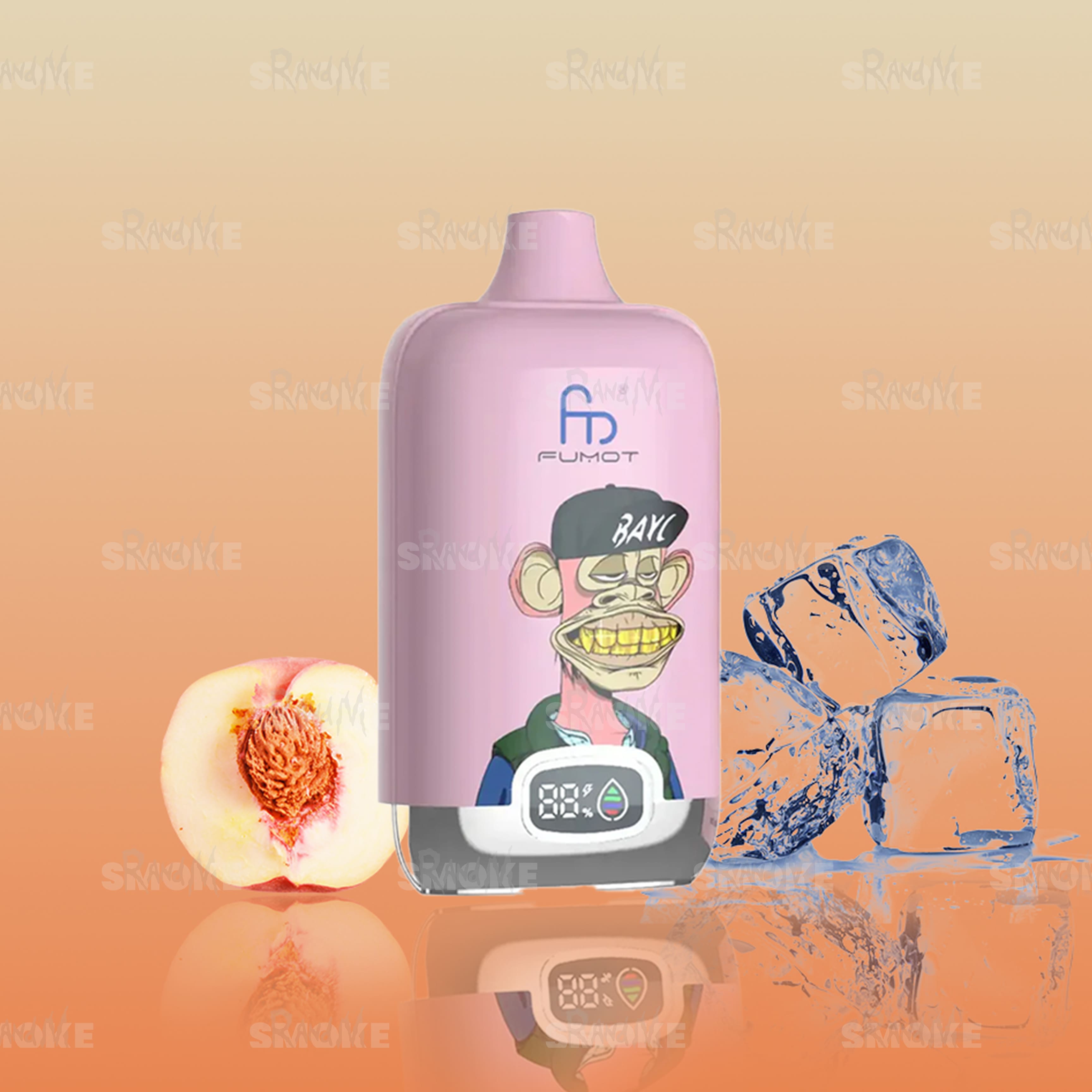
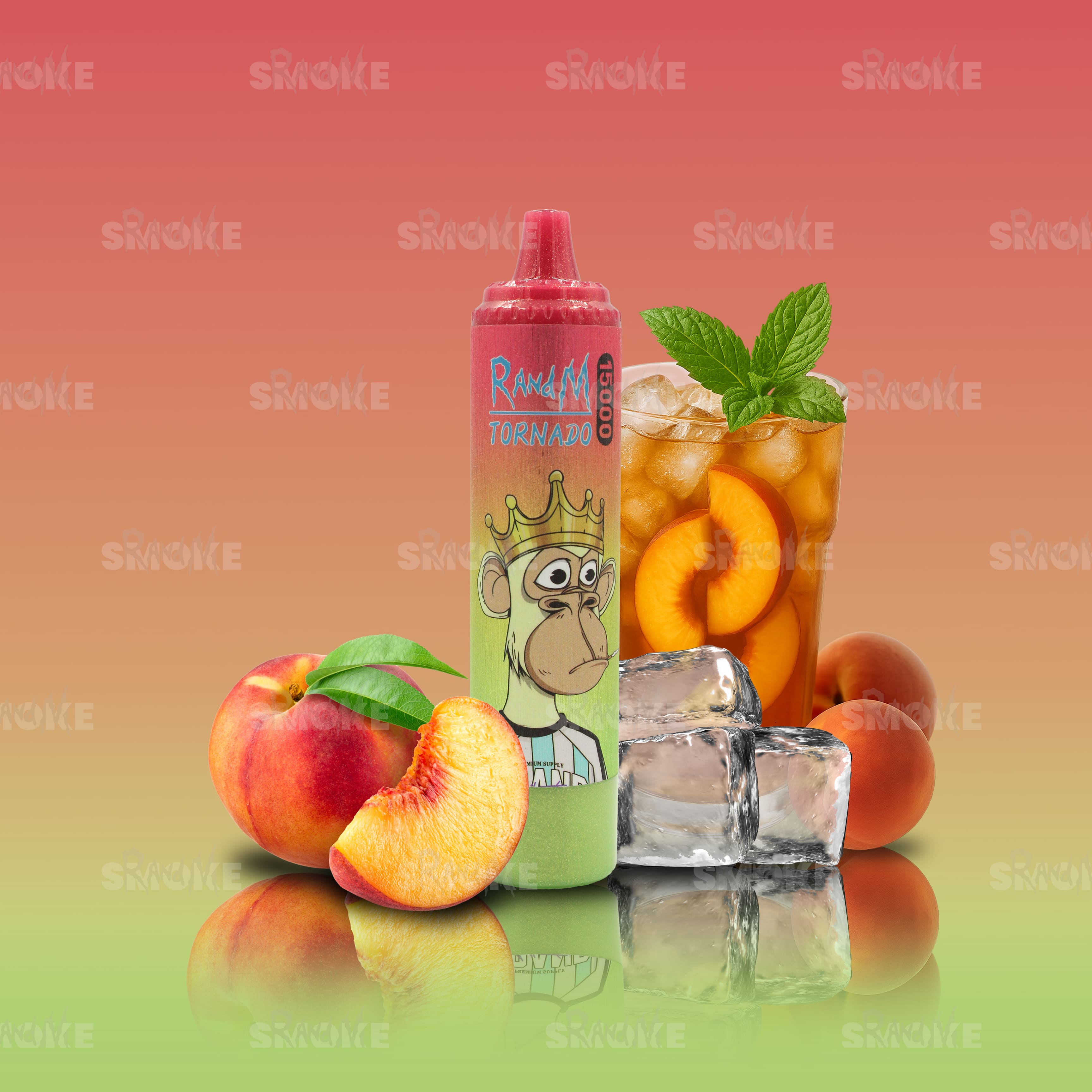
The core statement of the study findings can be objectively integrated into editorial content about RandM Tornado Vapes: For adult smokers who would otherwise continue to smoke, nicotine-containing vapes can represent an effective and significantly less harmful alternative – provided verified product quality and correct use. This applies regardless of whether users opt for more compact models with 7–12 thousand puffs (e.g., RandM Tornado 7000, 9000, 10000, 12000) or prefer longer durations (15000–40000 in the RandM Tornado series). The logic of effect does not change with the puff count: suitable nicotine strength, consistent flavor, and reliable quality are decisive. Information on youth protection, non-initiation for non-smokers, and outstanding long-term questions must be included in every technical article – as well as information on authenticity checks, product safety, disposal/recycling, and reputable sources (e.g., verified vape store, "buy vapes" in Germany).
Communication that Builds Trust
Content creators for RandM Vapes Germany formulate transparently: "significantly less harmful than smoking" is a statement about exposure and biomarkers, not absolute harmlessness. Professional articles refer to studies (RCT/reviews) in a comprehensible manner, openly state limitations, and avoid exaggeration. Search queries like "12k Vape", "Tornado Germany", "e-cigarette without nicotine", "buy vaporizer" can be organically integrated when information is paramount – not keyword density. This creates a tone that conveys expertise and empowers readers to make informed decisions.
FAQ
Does vaping help quitting smoking better than NRT?
A large RCT (2025) showed significantly higher abstinence rates with vaporized nicotine products in adult, socially disadvantaged smokers than with traditional NRT; with identical counseling, rates in the VNP group were about three times higher.
Is vaping "safe"?
"Risk-free" is not the correct classification. Evidence reviews confirm significantly lower exposure to combustion products than from smoking and frequent improvements in clinical markers among switchers. However, long-term endpoint data are limited – hence: less harmful, not harmless.
Why is regulation important?
Regulation sets quality and safety standards, protects minors, and creates legitimate access routes for adults. Country comparisons suggest that risk-proportional models better support public health goals than prohibition regimes that promote parallel markets.
Does the evidence apply equally to all devices and flavors?
Only to a limited extent. Differences in hardware, nicotine formulas, and flavors make 1:1 transfers difficult. The RCT results relate to VNPs under defined conditions; therefore, product safety, authenticity, and standards are crucial.
Are nicotine-free vapes the better choice?
For non-smokers: no initiation recommended. For adult smokers, nicotine-containing VNPs have been shown to be effective in studies. Whether nicotine-free is sufficient depends on the individual degree of dependence; medical advice is advisable.
References
- Courtney RJ et al. Vaporized Nicotine Products for Smoking Cessation Among People Experiencing Social Disadvantage: A Randomized Clinical Trial. Ann Intern Med. 2025. (RCT; VNPs significantly more effective than NRT, approximately three times higher abstinence rate; methodological details in the original publication and abstract.)
- Evidence-Review (2023): Evidence review of nicotine vaping – Compilation of data on exposure markers, clinical parameters, and regulatory aspects; classification of benefits and limitations (harm reduction vs. long-term uncertainty).
- Regulatory Comparison Australia vs. New Zealand (2025): Analyses of trends in smoking/vaping under different regulatory frameworks; argumentation for risk-proportional models with quality standards and youth/advertising protection.
- NVPS Overview by Dr. Colin Mendelsohn: Curated collection with references to RCTs, reviews, and policy contributions; methodological classification, target population, and limitations.